
When people ask, “What is the point of school?” they usually say things like “to get good grades,” “to find a job,” “to get into college,” or “to be successful.” But for a lot of parents, teachers, and students, those answers don’t seem to be enough anymore.
If education is only about grades and credentials, why do so many students leave school not knowing who they are, not being ready for real life, and not knowing what it all means? The real goal of school is more than just grades. Education is best when it helps people grow in their minds, hearts, relationships, and morals.
It should teach kids and adults how to not only make a living, but also how to live wisely, think critically, relate compassionately, and be responsible members of society. That bigger picture fits well with Global Edutopia’s goal of using stories, culture, reflection, imagination, and educational insight to help readers think about who they are and the journey of being human.
This question is more important than ever in today’s world. Families are concerned that schools put too much emphasis on performance. Teachers feel like they have to teach to the test. Students are wondering if grades are the only thing that matters in school.
Leaders are trying to get young people ready for a future that will be shaped by technology, uncertainty, and fast social change. So what should we really learn in school?
Education Should Help Us Be Fully Human
Education is important in life for more than just getting a job or a higher status. People should learn about themselves and the world around them through education.
That means helping students learn things, but also helping them build character, empathy, judgement, resilience, and a sense of purpose.
A child who can remember facts but can’t deal with their feelings, solve problems, or treat other people with respect is not fully educated. A student who gets good grades but feels lost, anxious, or disconnected may be doing well in school, but they may still be missing something important.
This is why learning for personal growth is so important. Learning should help the whole person.
A more human-centered view of education asks different kinds of questions. Not only “What do students know?” but also “Who are they becoming?” Not only “Can they pass?” but also “Can they think, care, adapt, and contribute?”
The Issue with Lowering Education to Grades
A common misconception today is that academic success is the only measure of educational success. For decades, a lot of systems have put memorisation, uniformity, testing, and compliance at the top of their lists.
Global Edutopia’s educational content contends that this one-size-fits-all paradigm frequently prioritises scores over curiosity and credentials over genuine comprehension.
This is where a lot of families and teachers feel stuck. They know that school is important, but they also feel like something is missing.
If students are taught to chase grades instead of understanding, they might learn to be afraid of making mistakes, avoid taking chances, and not connect what they learn to real life. When performance is the goal, curiosity often gets hurt.
Is school only about getting good grades? No. Grades can show how well someone is doing in school, but they can’t fully show how wise, kind, creative, brave, or morally right they are. They don’t show if a student can handle conflict, show kindness, or make good choices in real life.
The true purpose of education is to help people grow.
A strong answer to the question “What is the true purpose of education?” is that it should help people become capable, thoughtful, and grounded adults.
That means:
Growth of the mind
Students should learn how to read carefully, think critically, question what they think they know, and find solutions.
Growth in feelings
It’s no longer up to teachers to teach emotional intelligence. Students need to learn how to deal with their feelings, handle frustration, boost their self-esteem, and understand other people’s feelings.
Growth in society
Education is an important part of a child’s growth because it teaches them how to talk to, work with, and live with other people. People who can work with others and help their communities are important to society.
Moral development
Students should learn honesty, responsibility, and a sense of fairness through school. It should make them want to ask not just “What can I do?”But “What should I do?”
Growth in creativity
Kids and adults both need room to think, express themselves, and be amazed. Global Edutopia stresses storytelling, myths, reflection, and culture as important ways to learn and find out who you are.
Why School Isn’t the Only Place to Learn
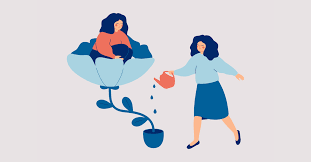
A lot of people think that going to school is the same as getting an education, but they are not. School is a building. Learning is something that happens all the time.
A school can give out homework, send out report cards, and give out information. But learning happens in a lot of different places. It happens through stories, relationships, hard times, thinking about things, culture, experience, and community.
It happens when a child learns to be kind by taking care of a sibling, when a teenager questions a social norm, when an adult rethinks a belief they’ve held for a long time, or when a teacher makes a student feel seen.
This difference is important because it reminds us that learning doesn’t only happen in the classroom. Parents, mentors, books, art, culture, and real-life experiences all have an effect on learning.
In a time when information is everywhere but wisdom is not, that wider view is especially important.
A Holistic Education Approach Is More Important Than Ever
The old way of teaching was based on obedience, standardisation, and efficiency from the industrial age. Today, we need something more flexible and human.
Global Edutopia’s historical and reform-oriented articles say that many modern systems still use the same structure as factory-style education, even though the world has changed a lot.
A holistic approach to education understands that kids aren’t machines and that learning isn’t like putting things together on an assembly line. Students come from different places, have different strengths, and have different ways of seeing the world. This complexity should be allowed in modern education instead of being pushed away.
A more complete model values:
- Being curious instead of just following orders
- Mentoring instead of one-way lecturing
- Thinking instead of just getting information,
- Creativity instead of discipline
- Personal growth instead of just getting good grades.
This doesn’t mean giving up on standards. It means broadening the meaning of success.
What Should School Really Teach Us?
The answer becomes clearer when we stop thinking about tests, rankings, and pressure from schools. We should learn how to live well with ourselves and with other people through school.
It ought to instruct us:
- How to think, not just what to think
- How to ask better questions
- How to talk to people with honesty and respect
- How to deal with failure and not knowing what to do
- How to learn about culture, society, and history
- How to care about fairness, truth, and the worth of people
- How to be life long learners
This is also how education affects the world around us. People who are skilled but disconnected come from a society that values shallow, narrow learning. A society shaped by reflective, humane education is more likely to produce citizens who are responsible, thoughtful, and able to make things better.
What is the purpose of education today?
The aim of contemporary education should not be to generate uniform graduates. It should be to make people who are flexible, honest, emotionally aware, and smart.
That means getting students ready for work, but it doesn’t stop there. It means helping them use technology wisely, AI thoughtfully, get involved in their communities, and make their lives meaningful in a complicated world.
Global Edutopia’s education pages say that instead of being obsessed with grades and strict curriculums, we should focus on curiosity, mentorship, emotional intelligence, flexible pathways, and purpose.
People who can follow instructions aren’t the only thing the modern world needs. It needs people who can think for themselves, work with people who are different from them, and be kind.
The Real Fear That Comes With This Question
When parents and teachers ask what the point of school is, they are often more worried about other things than schoolwork. What they really want to know is:
- Will kids be ready for life?
- Will they know who they are?
- Will they have morals, self-assurance, and strength?
- Will they not only be useful, but also good people?
Those are real worries. And they point out a truth that many systems miss: education is not just about getting ready for work. It is the formation of people.
Society pays the price when education gets too narrow. We see people getting burnt out, losing interest, learning less deeply, feeling more anxious, and losing meaning. But when learning is based on curiosity, reflection, culture, imagination, and human growth, it can change people.
So, what is the point of going to school?
The real goal of education is to help people become fully aware of themselves, others, and the world around them. It’s about more than just school. Not just grades. More than just credentials.
Education should help people think better, build their character, feel more empathy, and get ready to live responsible, meaningful lives.
That’s why education is important in today’s world. Not because it makes transcripts, but because it helps people grow and shape the future they will make.
FAQ's
What is the real goal of education?
The real goal of education is to help a person grow and develop fully. Not just in school, but in all areas of life, it should help students grow intellectually, emotionally, socially, morally, and creatively.
Is school only about getting good grades?
No. Grades are just one way to measure how well someone does. They don’t show curiosity, emotional intelligence, resilience, critical thinking, or character very well.
What makes education more than just school?
School is one way to learn, but there are many other ways to learn, such as through stories, culture, family, life experiences, mentors, and self-reflection. Education is a process that lasts a lifetime
Why is emotional intelligence important for students?
Students can better handle their emotions, make friends, deal with problems, and talk to others when they have emotional intelligence. These skills are important for both personal success and the health of communities.
What effect does education have on society?
Education affects how people think, interact, lead, and give back. A strong educational culture can help people be more responsible, caring, creative, and healthy in the long run.