
If you have ever felt that no one cares about your thoughts…
If you have ever believed you are too young, too limited, or too small to matter…
If you have ever felt like you don’t quite belong in this world—
Pause.
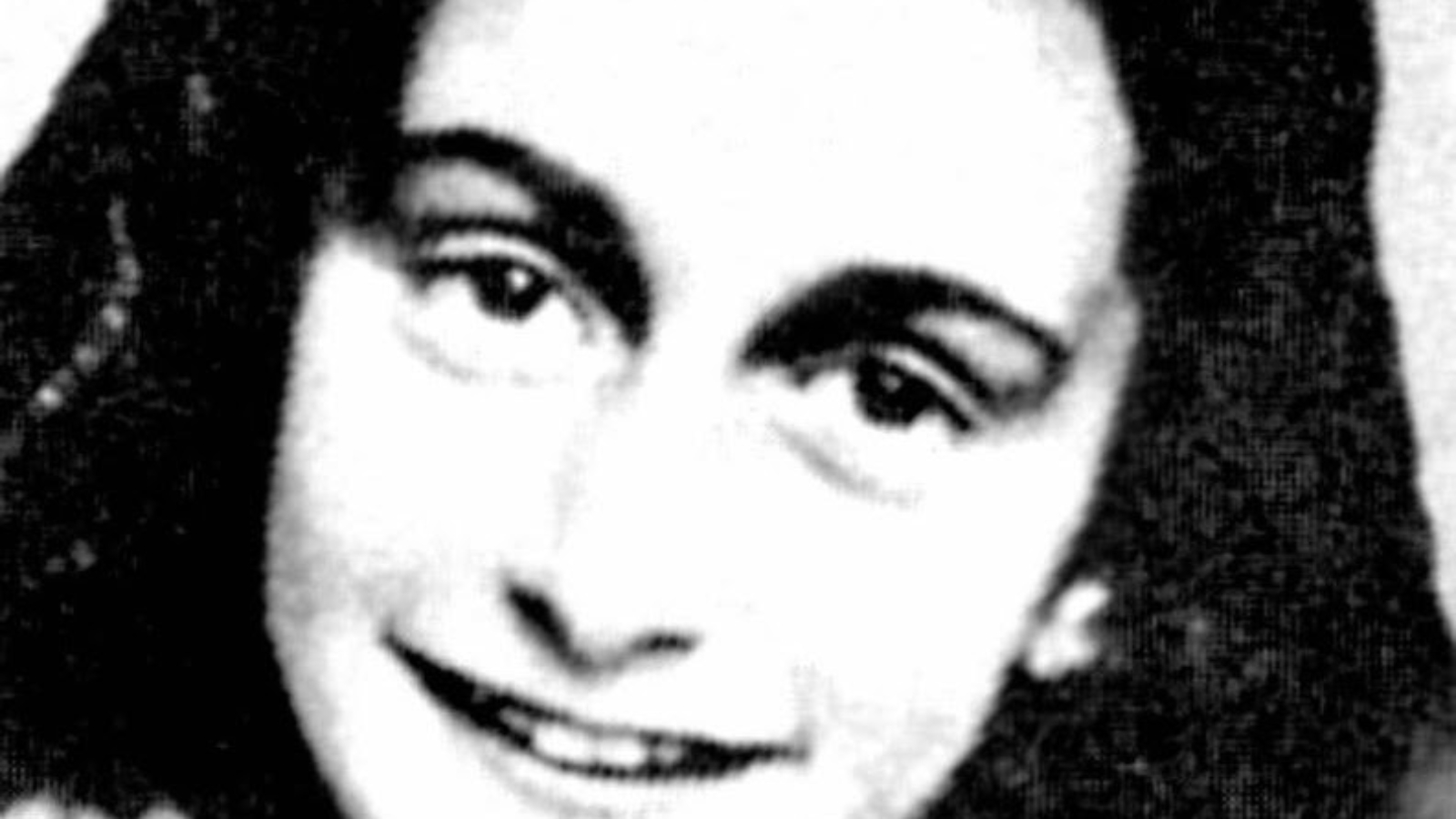
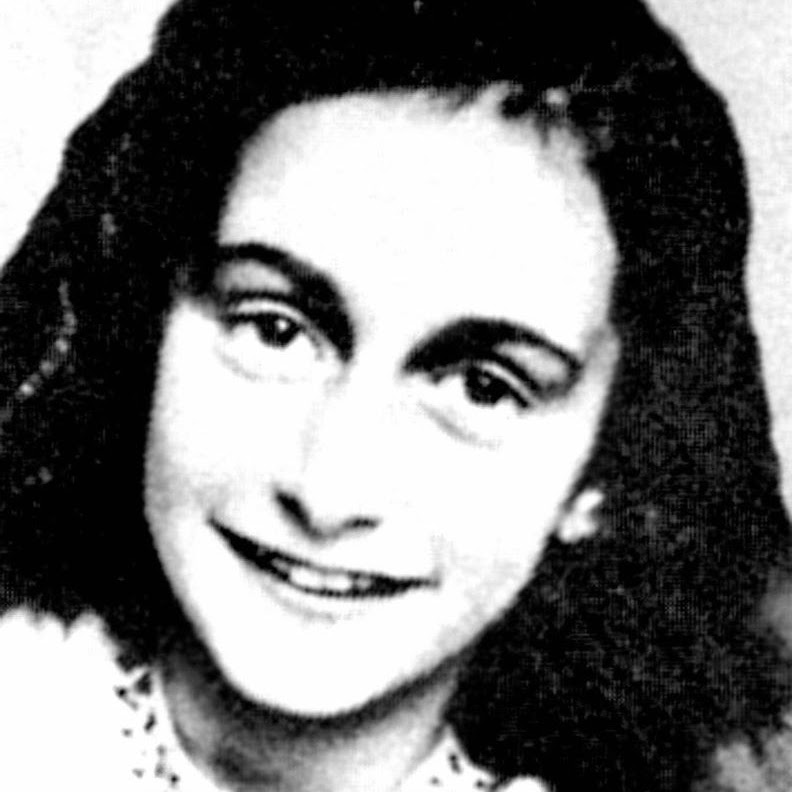
Remember Anne Frank.
In a narrow room, hidden behind a bookcase, Anne Frank sat at a small desk and made a decision: While she couldn’t speak freely, choose her future, or even step outside, she could write.
In the middle of war, fear, loneliness, and suffocating silence, Anne Frank chose to document, to write down the story as she lived it, and to not disappear in silence like so many had done before.
By writing her diary, Anne Frank not only gave the world her testimony but also went from a victim to one of World War II’s most powerful voices.
Who Was Anne Frank?
Anne Frank’s life history starts like many in her time. She was born in 1929 into a Jewish family whose world would soon turn into a nightmare under Nazi rule.
When Hitler rose into power, her family fled to Amsterdam looking for safety, and for a while, they found it.
Anne was lively, curious, talkative, and a great lover of stories, written or in film. Her teachers described her as bright, expressive, and full of promise, but when the Nazis invaded the Netherlands, those promises vanished.
In 1940, Jewish families were barred from public spaces, schools, and professions in an attempt to silence their voices.
By 1942, deportations began.
That very same summer, at just thirteen years old, Anne Frank and her family went into hiding..
The Hiding Place That Became History
A building on Prinsengracht canal, now known as the Anne Frank House, became their hiding place. A cramped room behind a movable bookcase became the Franks family’s entire world for over two years.
For Anne Frank, that hiding place was a small and tense space, where silence meant survival, and footsteps down below could mean discovery.
It was here where she began writing her diary as a way to survive. She wrote to understand herself, she wrote to pass the time, and she wrote to process the injustice she was forced to live.
Anne Frank’s story unfolded not in the streets like other kids her age, but in paper and ink, where she shared her frustrations with cramped quarters, reflections on humanity, and her own dreams of becoming a famous writer.
One day, something changed.
After hearing a radio broadcast encouraging citizens to preserve wartime accounts for future publication, she began revising her entries with one purpose: By sharing her reflections and her life facts, Anne Frank hoped to document history.
A Voice During the Holocaust
Anne Frank’s Holocaust story is often told as a tragedy, and it is, but within those diary pages, we see something more complicated: We see anger, self-doubt, ambition, and so much hope; it turned into defiance.
In one of her most popular quotes, Anne Frank wrote, “In spite of everything, I still believe that people are really good at heart.”
Because she did that while actively hiding from people who wanted to hurt her, that sentence echoed through decades, not because it ignores cruelty, but because it refuses to surrender to it.
Her writing transforms abstract horror into something personal. Through the diary, readers meet not statistics, but a girl arguing with her mother, dreaming about love, and imagining the world she hoped to rejoin.
The Arrest and What Followed
Unfortunately, Anne Frank’s biography is not a long one.
In August 1944, her hiding spot was discovered and her entire family was arrested and deported, after which they were sent to the Bergen-Belsen concentration camp.
Anne Frank died in early 1945, just weeks before the camp was liberated. Her father, Otto Frank, was the only one to survive. He then recovered her diary and worked to get it published.
Anne Frank’s Diary would go on to become one of the most translated and widely read books in the world, and her private thoughts, worries, and joys became a testimony to the horrors of war and the genocide.
Why Anne Frank Still Matters
Anne Frank’s impact on history is proof that storytelling transcends not only languages but also our life’s condition. She didn’t command armies, she didn’t change laws, and she couldn’t escape the Nazis, but she documented what she lived.
She preserved her memory when others desperately wanted to erase it.
It is the story of what happens when a young girl refuses silence.
Through her diary, millions have learned about prejudice, resilience, and the cost of hatred, as well as the thoughts of a young girl who wanted to be a writer when she grew up and who, no doubt, would’ve achieved it had she had the chance.
Read More Powerful Stories
At Global Edutopia, we believe real-life heroes are not only those who act loudly but also those who refuse to vanish. Anne Frank did not go quietly into the night.
She wrote. And because she wrote, we remember.
Her story outlived her and the lives of those who sought to silence her, and like hers, we document stories of other real heroes who have shaped the world. You can find them right here.