
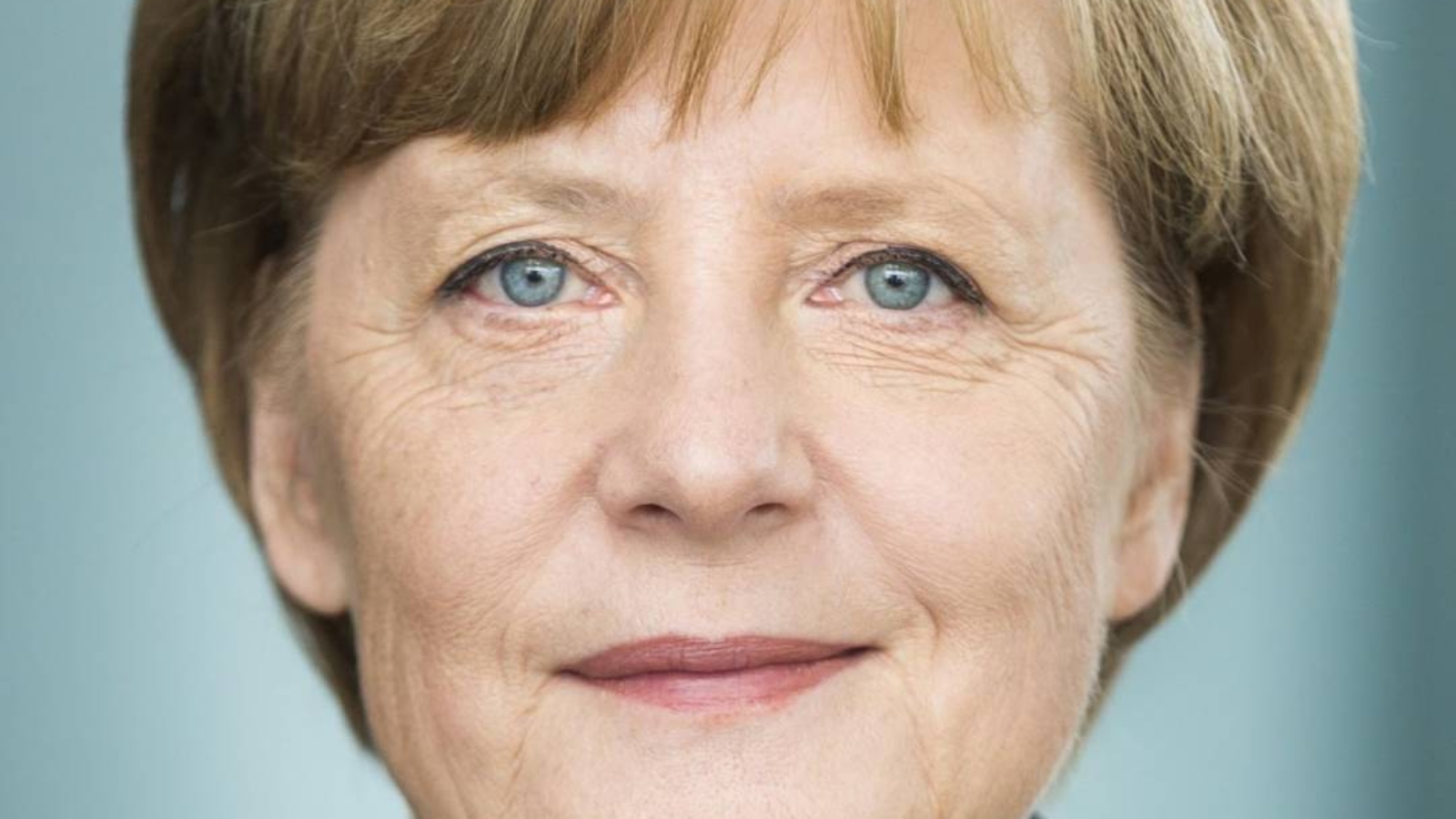
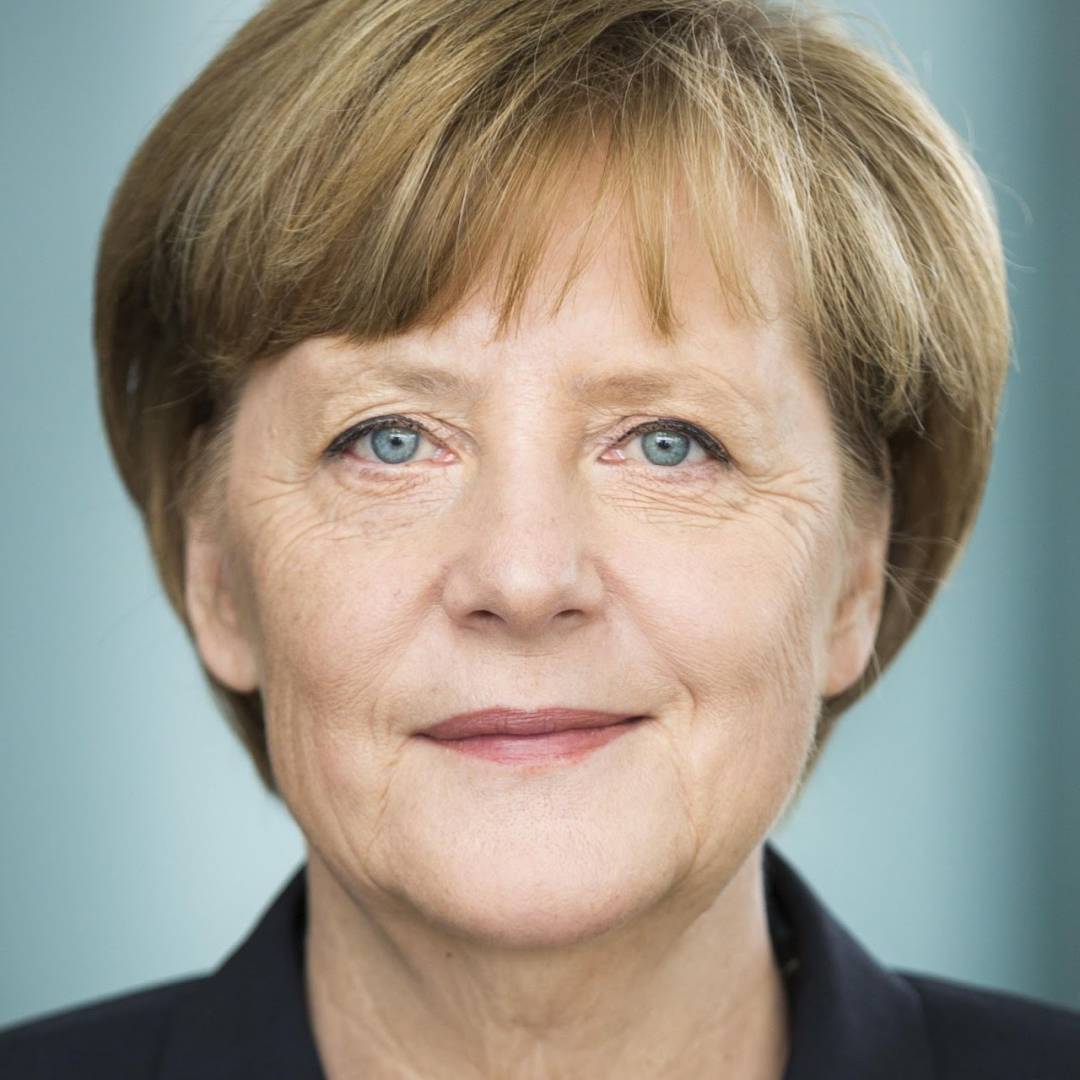
In the noisy world of global politics, Angela Merkel never raised her voice.
She didn’t need to.
With a doctorate in quantum chemistry and the confidence of someone who’s solved harder problems in a lab, Merkel transformed what it meant to lead a country and, at times, an entire continent.
In this Angela Merkel biography, we’ll explain why even though she didn’t ask for the spotlight, it kept following her.
From East Germany to the World Stage
Angela Merkel was born behind the Iron Curtain, and growing up in East Germany, her early life was marked by caution, where questions were dangerous and ambition was only for a few.
But Merkel’s ambition was very real. It just stayed hidden, channeled in a lab and through one of her greatest passions.
Before anyone called her chancellor, she was a scientist with no plan to run for office. But when the Berlin Wall fell, something changed. She stepped into politics with an unbeatable mix of clarity and resolve.
In 2005, she became the first female chancellor of Germany. And that was just her warm-up.
Angela Merkel’s Leadership: A Calm in the Storm
While other world leaders gestured, shouted, and dominated headlines, Angela Merkel leaned in, listened, and asked better questions. Her critics called her slow. Her supporters called her steady.
History, and her track record, called her something else: effective.
Angela Merkel’s political career was defined by crises and her refusal to let them overcome her.
During the 2008 financial collapse, Merkel’s policies kept Germany stable while the world panicked. In the Eurozone crisis, she held the EU together with little more than patience and spreadsheets.
Her economic policies didn’t make for great TV, but they kept real families in real homes.
And then came 2015.
The Moment That Defined Her
While Angela Merkel’s economic policies had led Germany through economic storms and kept the country strong while others faltered, the moment that defied her career was when she decided to open Germany’s doors to over a million refugees, many fleeing the Syrian civil war.
She hadn’t just built a strong economy to grow numbers. She had built it to shelter people.
“Wir schaffen das,” she said; “We can do this.”
That was Angela Merkel’s refugee policy in a sentence: compassionate, difficult, human. Some called it brave. Others called it reckless. But nobody called it indifferent.
That single decision, to prioritize humanity over headlines, earned her not just the wrath of right-wing critics but also the UNHCR’s highest honor and the respect of displaced families who now call Germany home.
A Different Kind of Power
Angela Merkel never cared for flashy speeches or big promises. She preferred lab reports to rallies and coalition-building to applause.
But her achievements stack taller than most: 16 years in office, the most powerful woman in the world (15 times, says Forbes), and the steady heart of a continent on fire.
Angela Merkel’s EU leadership style and her economic policies were pragmatic, unglamorous, and deliberate. They weren’t the kind that inspires posters, but rather the kind that inspired trust, and trust is power.
Not just the power to govern, but also the power to calm. To unify and to lead.
While populists shouted about borders and enemies, she focused on facts, coalitions, and the slow, unglamorous but necessary work of making democracy function.
She didn’t chase legacy. She built it.
Learn About Other Real-Life Heroes
Angela Merkel’s biography isn’t just the story of the first female chancellor of Germany. is a story that reminds us that leadership doesn’t always look like we think it does, and that sometimes the person who is the quietest in the room is the one who makes the biggest difference.
At Global Edutopia, we believe real-life heroes come in many forms: scientists, explorers, leaders, and ordinary people who did extraordinary things.
Explore more stories in our Real Heroes series, and meet the people who, like Merkel, didn’t just imagine a better world.