
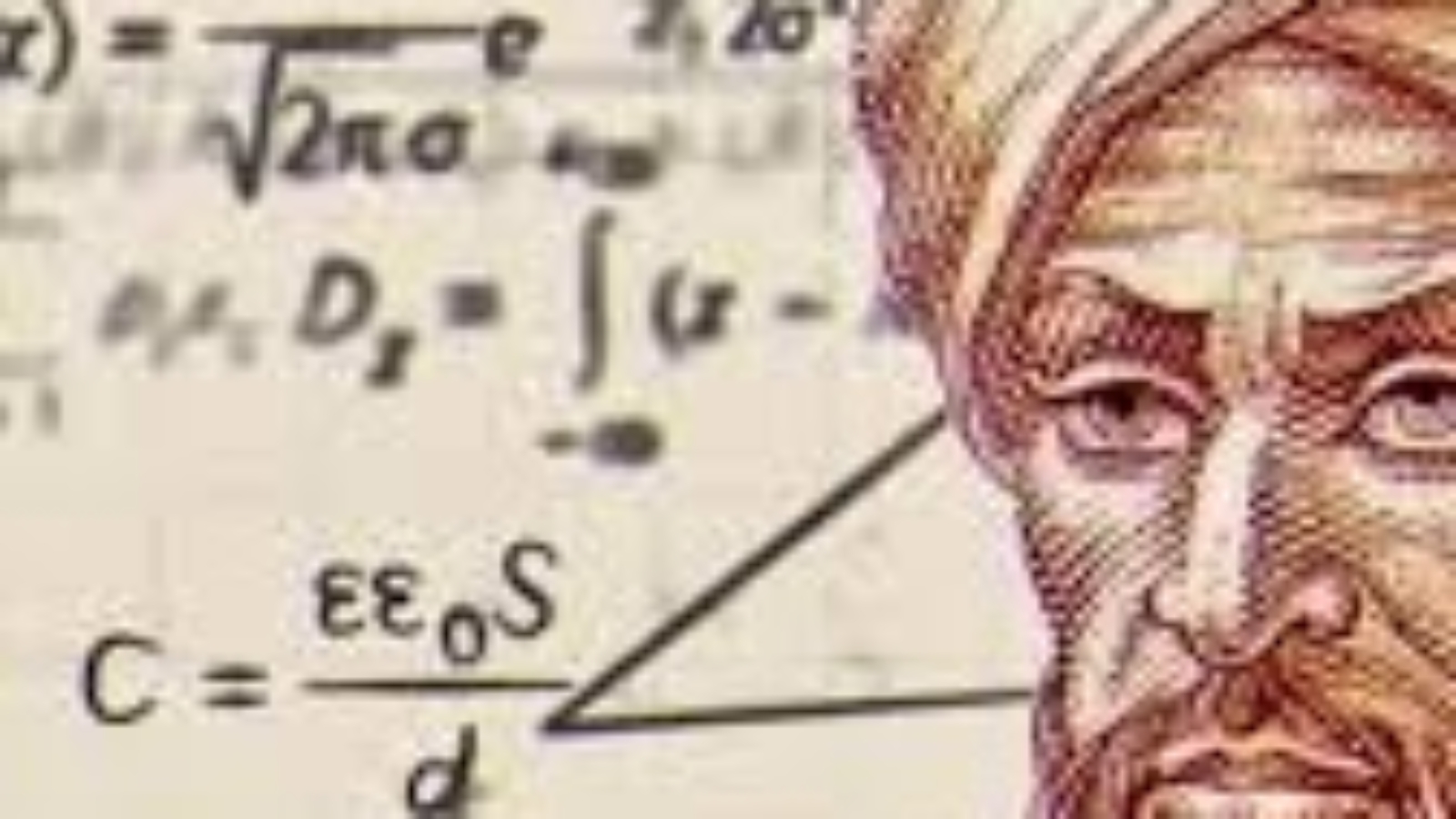
In a candlelit study in 9th-century Baghdad, a scholar dipped his pen in ink. He wasn’t writing poetry or philosophy; he was rearranging the way numbers spoke.
His name? Al-Khwarizmi. And while most people won’t hear about him, his fingerprints are on every phone, satellite, and search engine we use today.
This is Al-Khwarizmi’s biography. The story of a real-life hero whose quiet brilliance helped invent how we calculate everything.
Who Was Al-Khwarizmi?
Al-Khwarizmi was born around 780 CE in Khwarazm (modern-day Uzbekistan), but it was in Baghdad that his mind flourished.
There, under the Abbasid caliphs, the city became home to the House of Wisdom, a revolutionary center for scholars across the Islamic world, and Al-Khwarizmi was one of its most celebrated minds.
At the House of Wisdom, Al-Khwarizmi encountered the greatest texts of ancient science. But he didn’t treat them like relics. He treated them like raw material.
Combining Indian digits, Greek theories, and Arab scholarship, he created something that hadn’t existed before: math with a purpose.
He found the bones beneath the numbers and turned ideas into tools. Tools we still use today.
The Father of Algebra
Among the many contributions of Al-Khwarizmi to mathematics, one stands out: the formal invention of algebra, which was named in his book Kitab al-Jabr wal-Muqabala.
His book, Kitab al-Jabr wal-Muqabala, gave the world the word “algebra.”
He didn’t just name it, though. He structured it into the science we know today.
Al-Khwarizmi moved beyond solving specific problems to outlining general solutions, and in doing so, he created a universal language meant to uncover the relationships between unknowns.
He didn’t use symbols like x or y. He used words, steps, and logic. And it worked, so well, in fact, that his methods were taught in European universities for hundreds of years.
Even the history of algebra and algorithms ties directly back to him. The term “algorithm” is a Latinized version of “al-Khwarizmi,” honoring the man who gave us repeatable steps to solve problems—the core of every modern computation.
A Legacy Hidden in Every Line of Code
Today, Al-Khwarizmi’s name might not trend on social media or might not even be known by most, but his impact is felt every time a phone calculates directions or a search engine sorts through millions of results in seconds.
Zero? That came through him.
The decimal system? He helped standardize it.
Digital logic? Born from algorithms.
To say he was one of the Islamic Golden Age mathematicians would fall short. He was easily one of the most brilliant minds of that century, and his knowledge shaped the rules that still govern modern science and tech.
The Questions That Still Echo
The influence of Al-Khwarizmi doesn’t end in modern computing, and the fundamentals of algebra aren’t the only things that make him a hero. In fact, his greatest strength was how he approached knowing.
He asked questions that seemed too big for his time: How can numbers model the world? How do we make solving problems easier for others? How do we teach ideas across cultures and centuries?
He was opening doors. And in doing so, he built a legacy that made space for everyone else’s questions.
At Global Edutopia, we celebrate people like Al-Khwarizmi, not because they knew everything, but because they were never afraid of asking questions and, in doing so, found the answers to reshape the world.
Want to Know More?
In a world full of noise, Al-Khwarizmi reminds us that curiosity can move mountains, or, thanks to him, measure them, calculate them, and map their shadows into equations.
This Al-Khwarizmi biography is part of a larger story: of thinkers who didn’t just observe the world but gave us better ways to understand it.
Want to explore more heroes who shaped science, culture, and connection? Check out our hero section, where you’ll find the stories of other incredible people who have changed the way the world thinks.